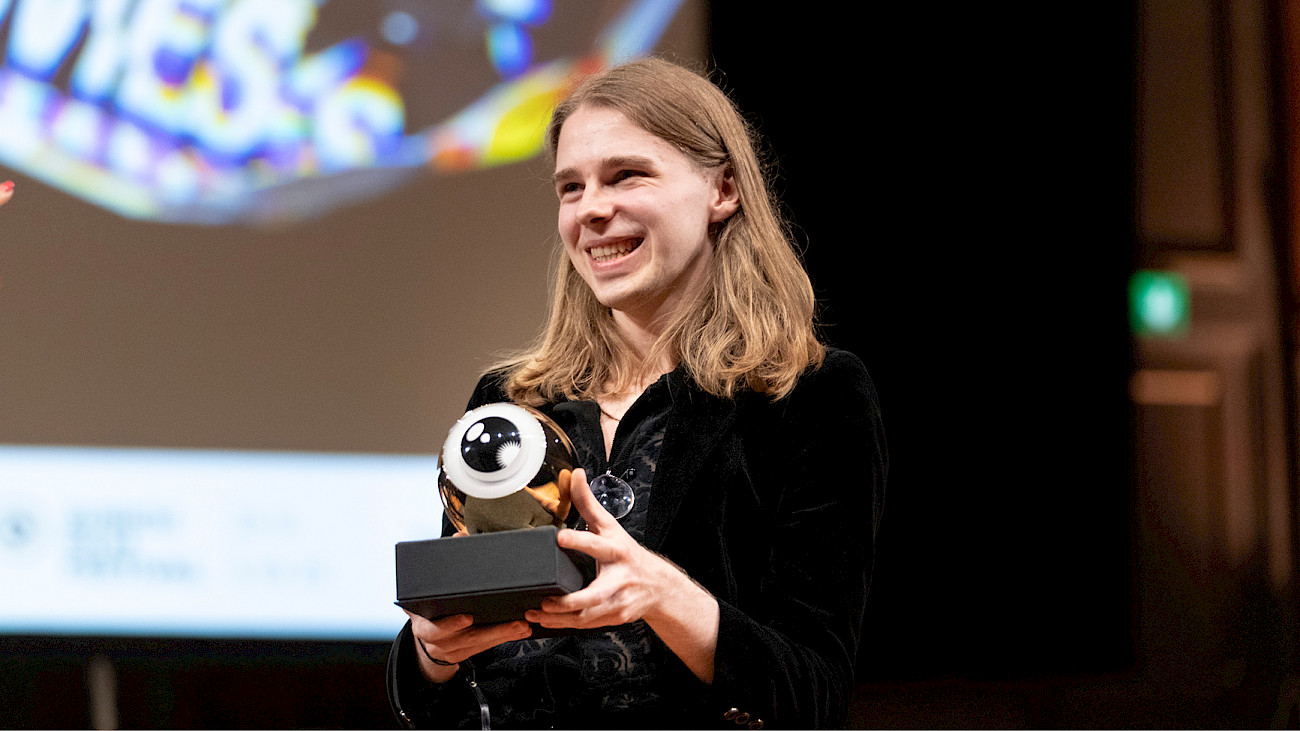
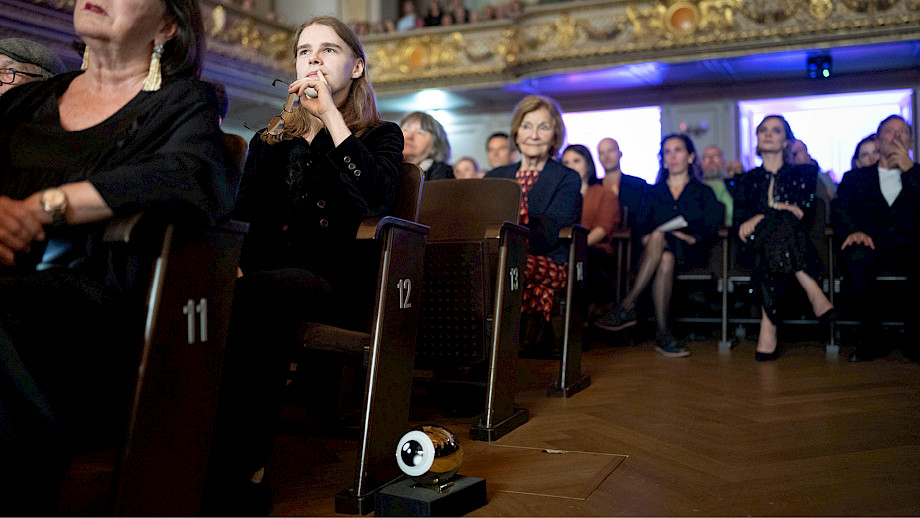
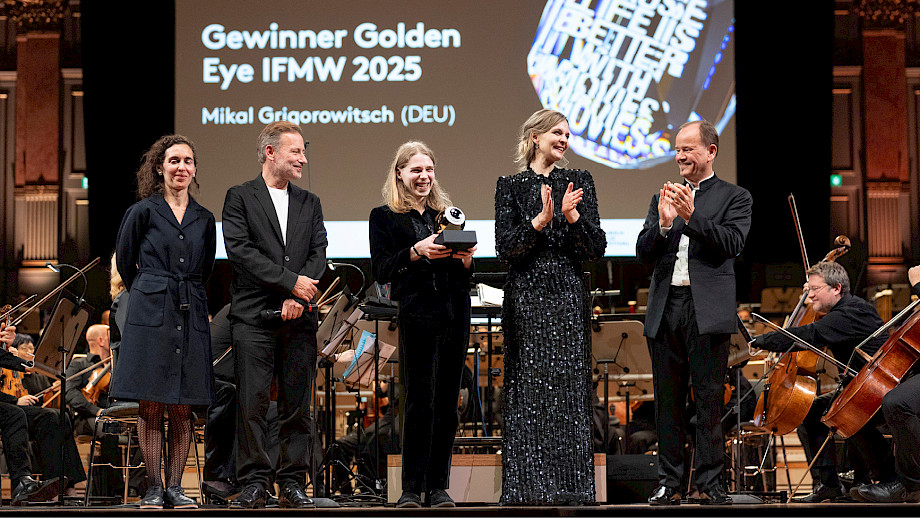
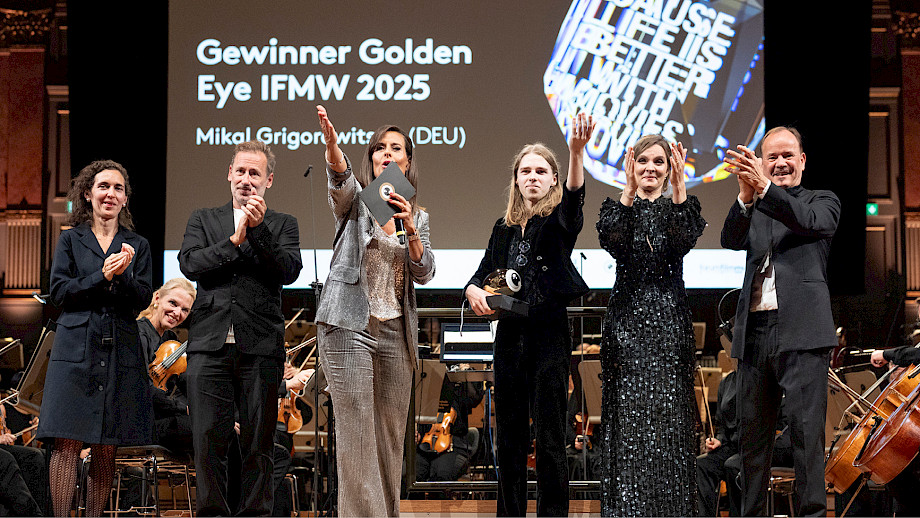
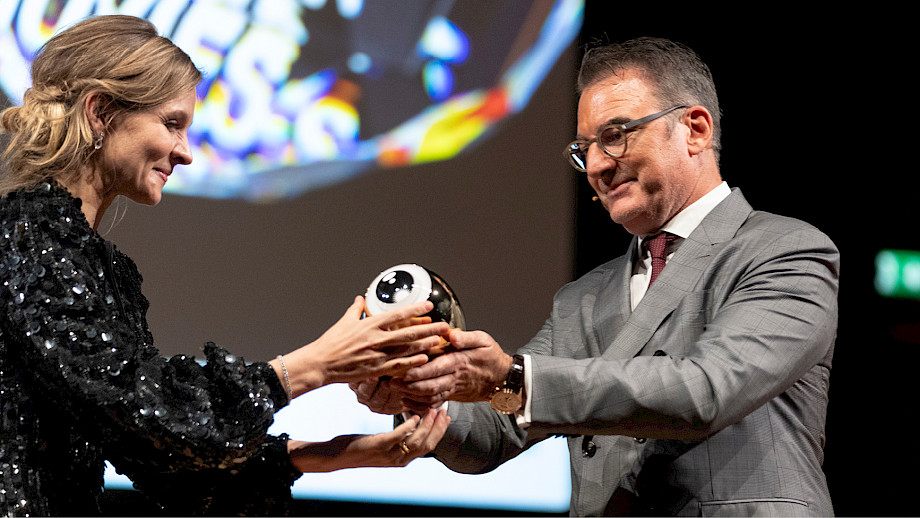
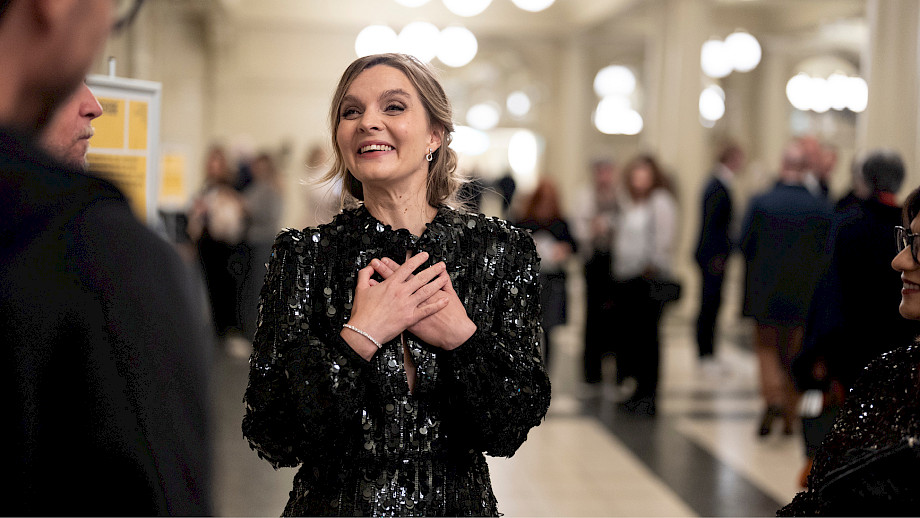
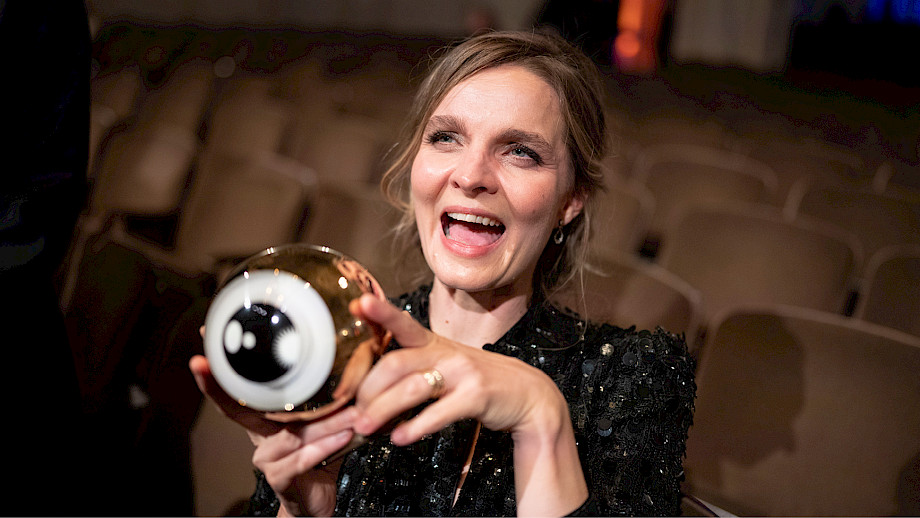
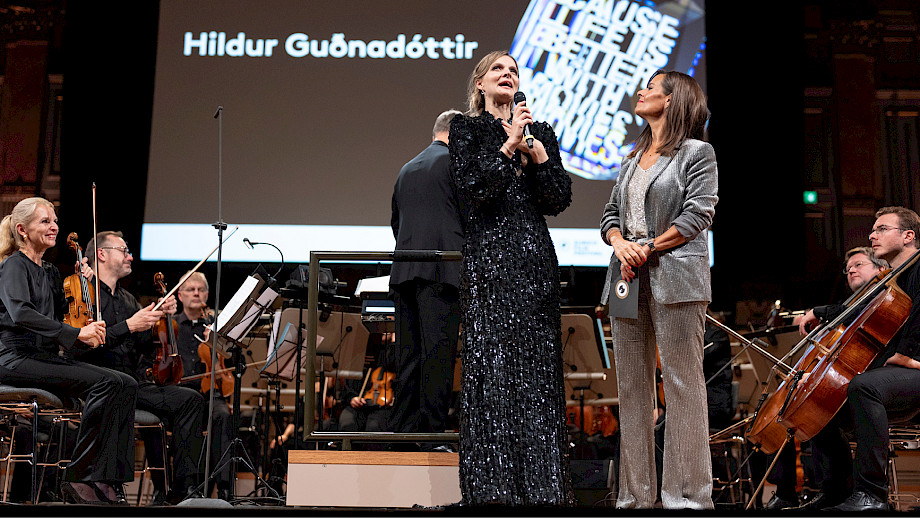
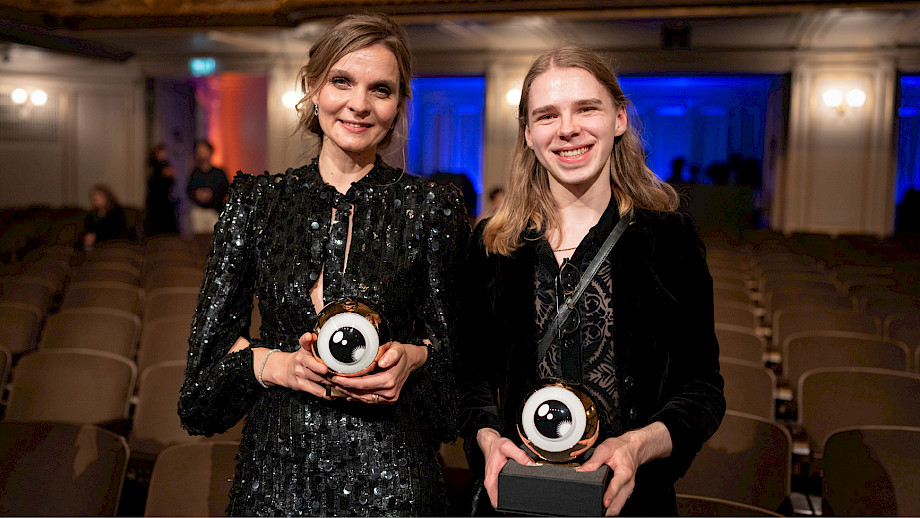
"It's heavy", said Icelandic composer, cellist and singer Hildur Guðnadóttir after receiving a "Golden Eye" from ZFF Director Christian Jungen. She was delighted to receive this honour, even if the associated term "Career Achievement Award" was somewhat foreign to her: "Music is not a career for me, it's my life."
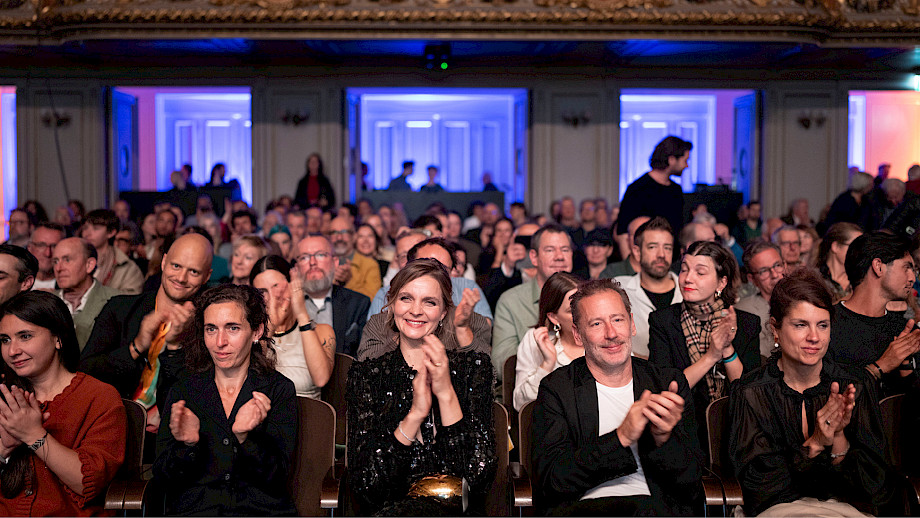
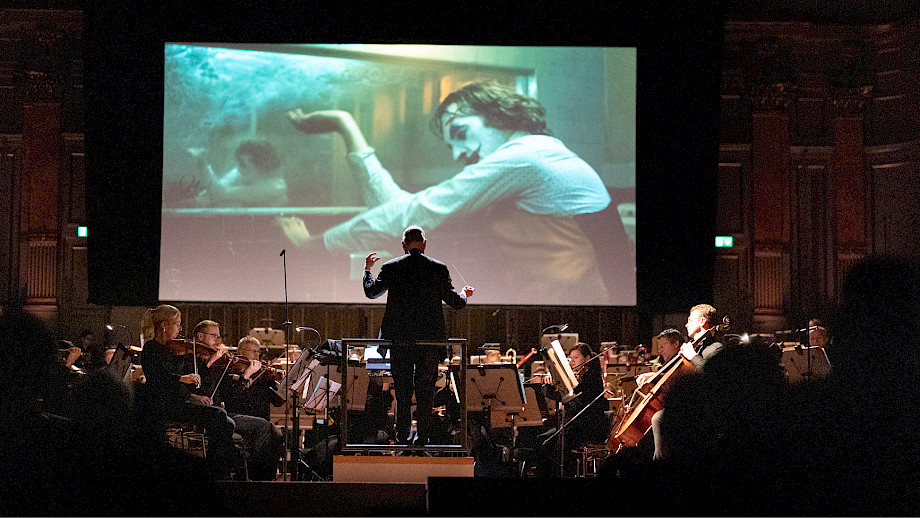
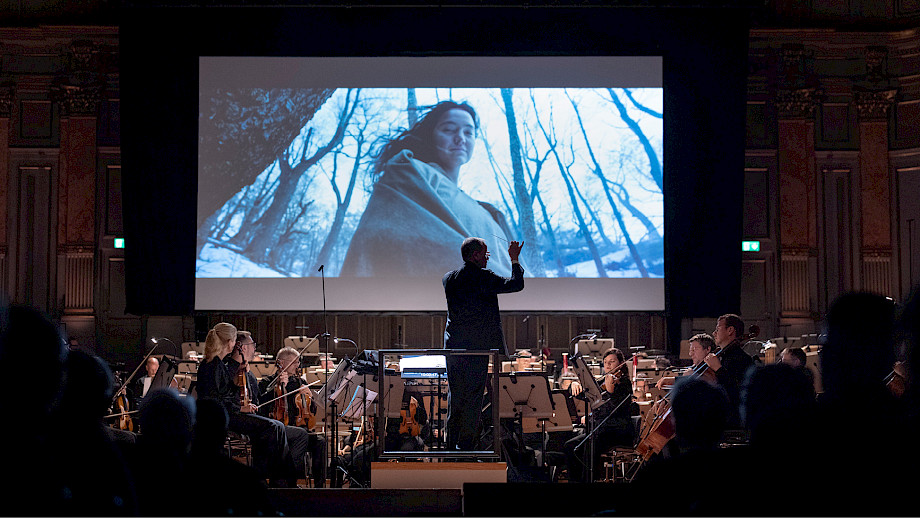
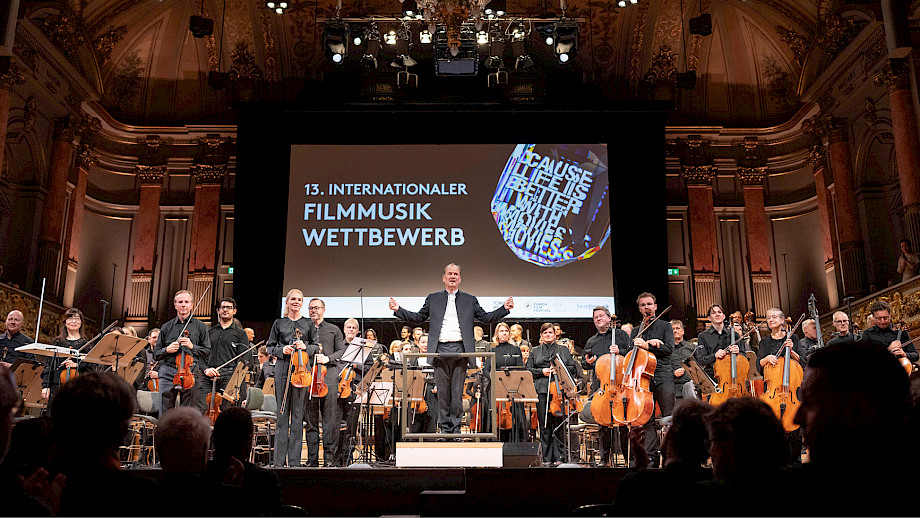
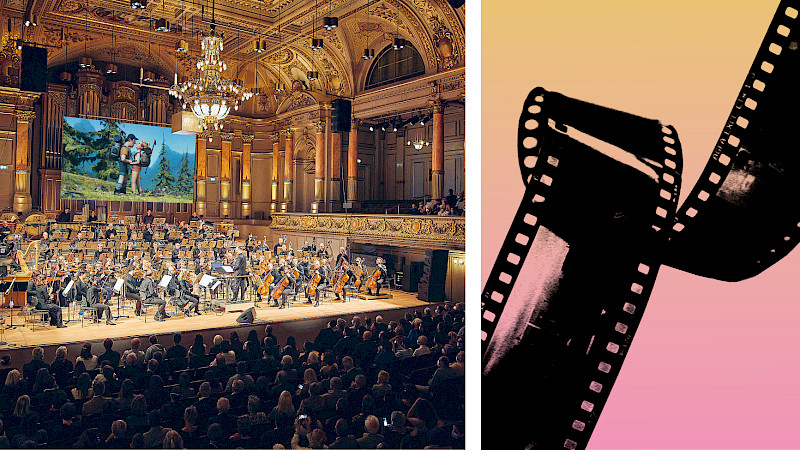
Otherwise, there was a lot of music in the sold-out Great Tonhalle - and a lot of goosebumps: The Tonhalle-Orchester Zürich, conducted by Frank Strobel, not only played a medley by Swiss composer Balz Bachmann, but also excerpts from the film scores to horror and science fiction classics such as "The Shining", "The Revenant" and "Planet of the Apes". And, of course, there were also works by Hildur Guðnadóttir to be heard with the soundtracks to "Tár" and "Joker". The latter not only earned her an Oscar, but also inspired Joaquin Phoenix to a now legendary dance in the bathroom.
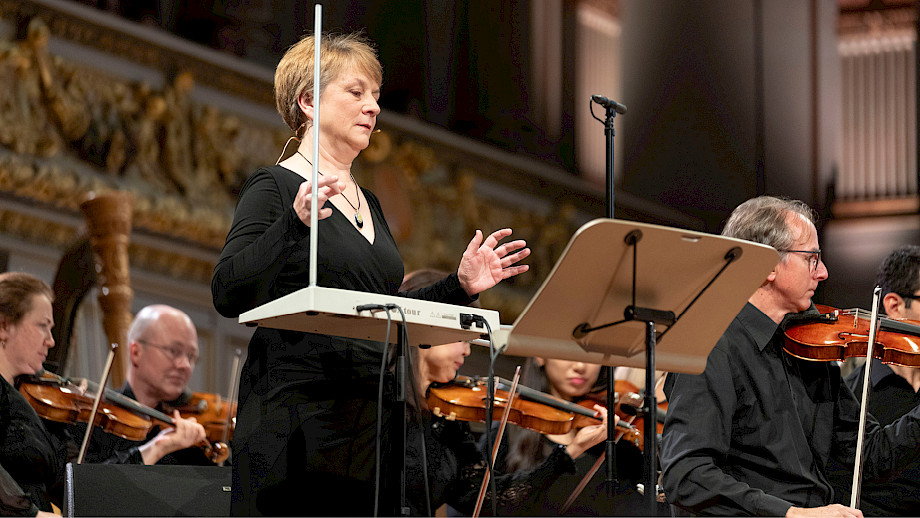
Finally, Lydia Kavina provided a last highlight with her theremin in the music to Hitchcock's "Spellbound": the early electronic instrument, which was once invented by her great-grandfather's brother, not only provided fascinating sounds - but also a very special moment of magic in the way these sounds are formed with the hands alone.
—